Mental Health in Old Age: A Complete Guide for Seniors & Caregivers
Mental health matters at every age. Learn the causes, warning signs, and practical support options for seniors and caregivers.

Syed Ali
Key Summary
Mental health in old age is influenced by mobility, social connection, physical health, and cognitive stimulation. Depression, anxiety, and dementia are common but treatable with early recognition and supportive care. Maintaining independence through safe mobility and active engagement significantly protects emotional well-being. Healthy aging requires both physical stability and psychological resilience.
Aging brings wisdom, perspective, and life experience. But it can also introduce emotional challenges that many families overlook. Mental health in old age is not simply about avoiding depression; it encompasses cognitive clarity, emotional resilience, social connection, and overall psychological well-being.
At The Walker Advisor, we talk a lot about mobility, independence, and physical safety. However, true independence is incomplete without strong mental health. This guide provides a comprehensive, practical, and evidence-informed breakdown of mental health in seniors, causes, symptoms, prevention, and support strategies.
Why Mental Health in Seniors Deserves Attention
According to the World Health Organization, approximately 14% of adults aged 60 and older live with a mental health condition. Yet mental health issues in seniors are often underdiagnosed because symptoms may appear as “normal aging.” They are not.
Untreated mental health conditions can:
- Increase fall risk
- Worsen chronic illnesses
- Reduce mobility
- Increase social withdrawal
- Lower life expectancy
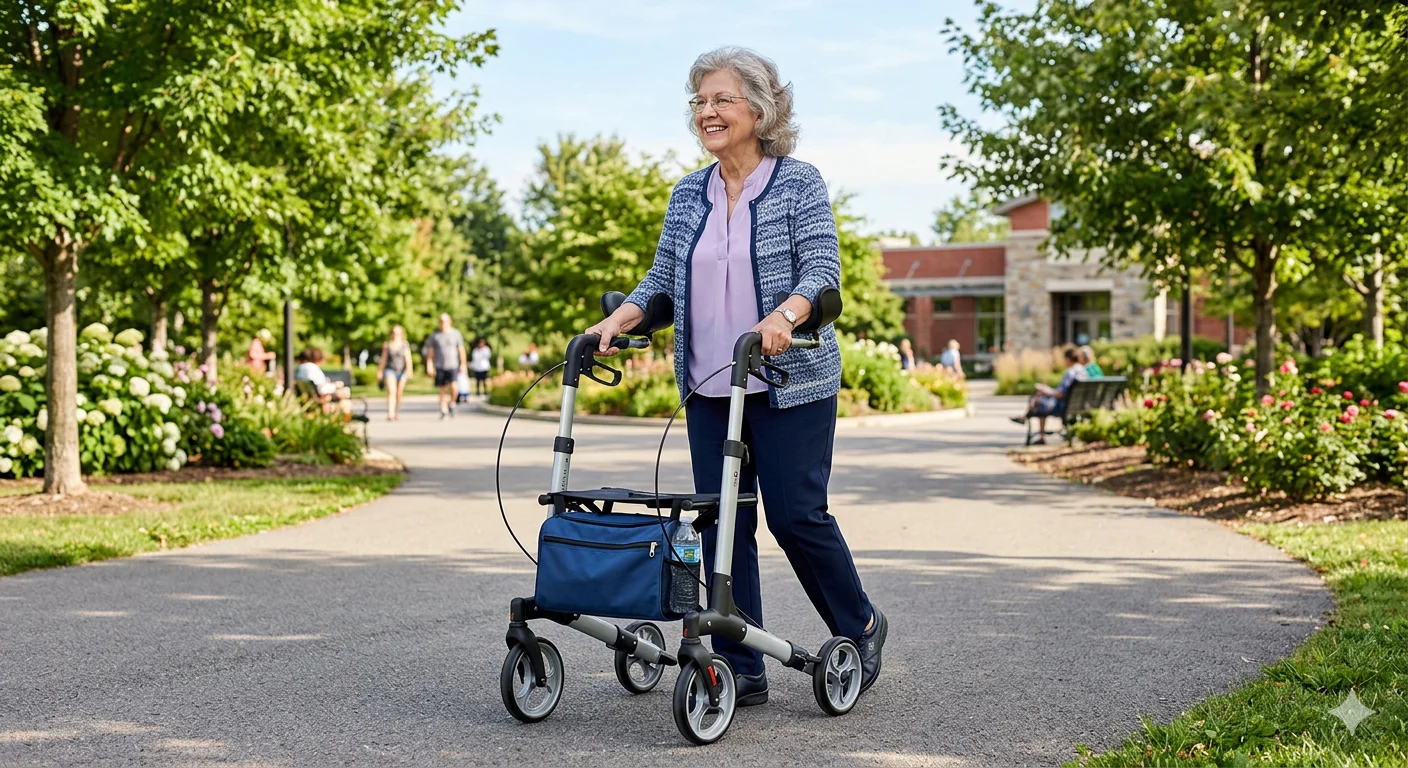
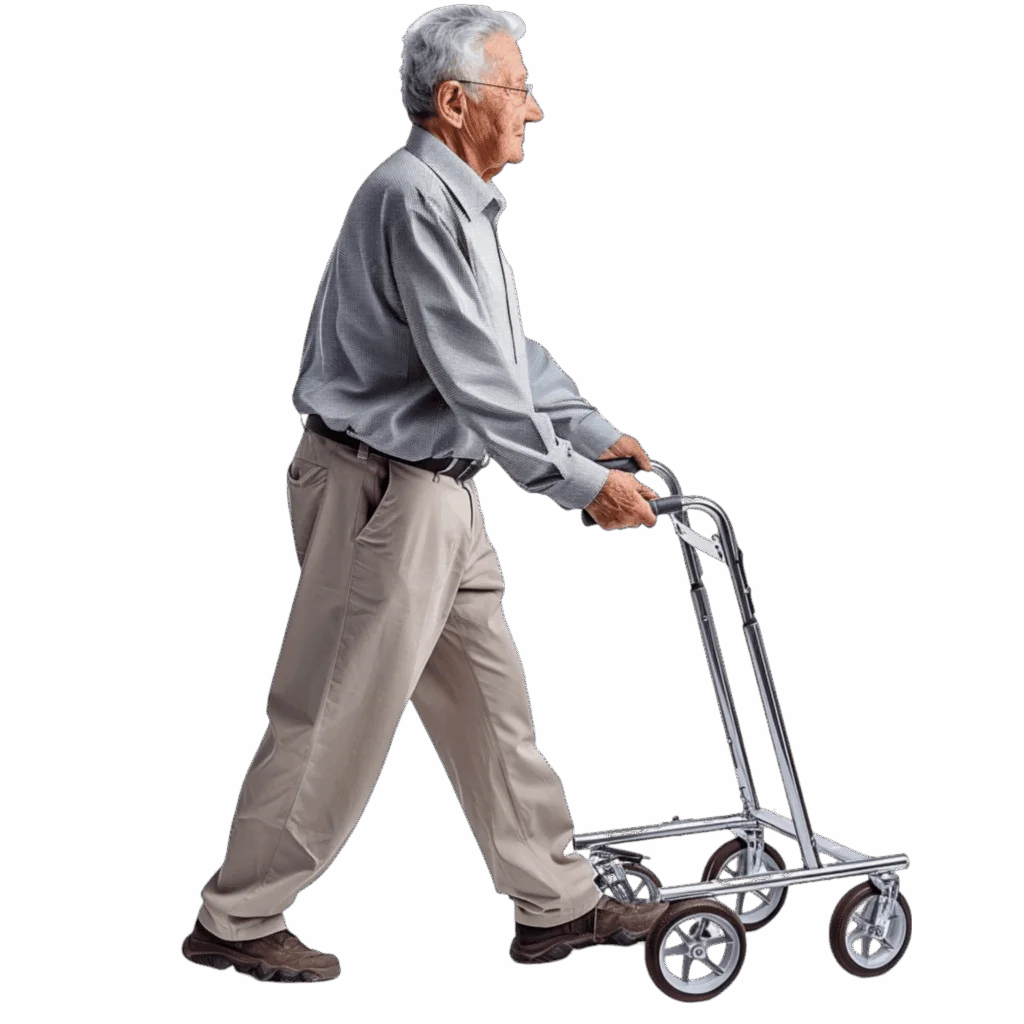
Mental well-being directly affects physical stability, something especially relevant for seniors who rely on walkers or mobility aids.
Common Mental Health Conditions in Old Age
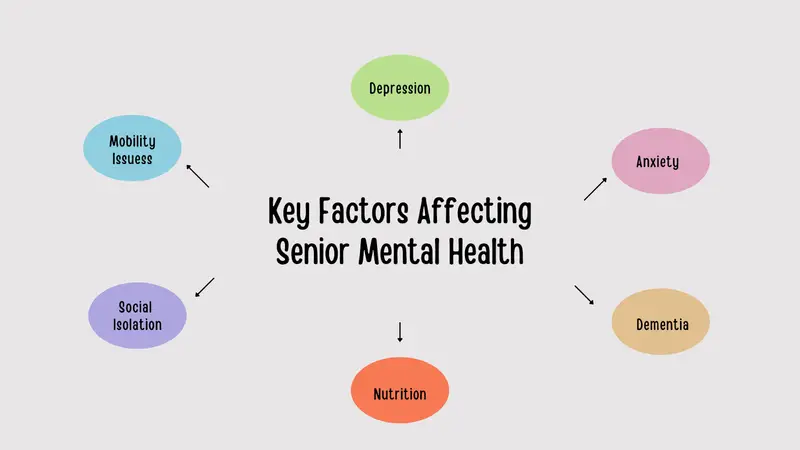
1. Depression
Depression is the most prevalent mental health disorder in older adults.
Symptoms may include:
- Persistent sadness
- Loss of interest in activities
- Appetite changes
- Sleep disturbances
- Fatigue
- Feelings of hopelessness
Unlike younger adults, seniors may express depression through physical complaints rather than emotional language.
2. Anxiety Disorders
Anxiety in older adults often revolves around:
- Health concerns
- Fear of falling
- Financial stress
- Loss of independence
Chronic anxiety can increase muscle tension, balance instability, and cardiovascular strain.
3. Dementia
Dementia is not a single disease but a group of symptoms affecting memory and cognitive function. The most common type is Alzheimer’s disease.
Early signs:
- Memory loss affecting daily tasks
- Confusion about time or place
- Difficulty planning
- Personality changes
4. Social Isolation & Loneliness
Loneliness is one of the strongest predictors of mental health decline in seniors. Research from the National Institute on Aging shows that social isolation increases risks of depression, cognitive decline, and heart disease.
Isolation can stem from:
- Retirement
- Loss of a spouse
- Mobility limitations
- Relocation
Major Causes of Mental Health Challenges in Old Age
1. Physical Health Problems
Chronic pain conditions such as arthritis, not only affect mobility but also increase emotional stress. In fact, research shows that joint instability and reduced balance significantly raise fall risk, something we explore in detail in our guide on Can Osteoarthritis Lead to More Falls in Seniors?
2. Reduced Mobility
Fear of falling or actual falls reduces confidence, leading to withdrawal.
3. Loss and Grief
Losing lifelong partners or friends deeply affects emotional stability.
4. Medication Side Effects
Certain medications can influence mood, cognition, or sleep.
5. Financial Stress
Fixed income and rising healthcare costs create anxiety.
Warning Signs Families Should Never Ignore
If you notice these changes, intervention may be necessary:
- Sudden personality shifts
- Neglecting hygiene
- Withdrawal from social interaction
- Confusion beyond mild forgetfulness
- Expressing hopelessness or worthlessness
- Increased fear of movement or walking
Practical Strategies to Improve Mental Health in Old Age
1. Encourage Physical Activity
Even gentle walking improves:
- Mood regulation
- Sleep quality
- Cognitive function
- Self-esteem
2. Promote Social Engagement
Encourage:
- Senior centers
- Community groups
- Religious gatherings
- Family video calls
- Group exercise classes
3. Cognitive Stimulation
Activities like:
- Puzzles
- Reading
- Memory games
- Learning new skills
- Playing bingo
4. Routine and Structure
Older adults thrive with predictable schedules:
- Regular wake/sleep times
- Mealtime consistency
- Planned activities
Structure reduces anxiety.
5. Professional Support
If symptoms persist, consult:
- Primary care physicians
- Geriatric psychiatrists
- Therapists specializing in older adults
Early treatment significantly improves outcomes.
Myths About Mental Health in Old Age
Frequently Asked Questions
What are the most common mental health problems in old age?
The most common conditions include depression, anxiety disorders, and cognitive disorders such as Alzheimer’s disease. Social isolation and grief-related emotional distress are also highly prevalent among seniors.
Is depression a normal part of aging?
No. While emotional changes can occur with life transitions, clinical depression is not a normal part of aging. Persistent sadness, lack of interest in activities, and appetite or sleep disturbances require medical evaluation.
How does reduced mobility affect mental health?
Reduced mobility often leads to social withdrawal, decreased independence, and fear of falling. Over time, this can increase the risk of depression and anxiety. Maintaining safe movement with proper support tools helps protect both physical and mental health.
What are early warning signs of mental decline in seniors?
Early signs may include:
- Memory lapses affecting daily tasks
- Increased confusion
- Personality changes
- Withdrawal from social interaction
- Sudden mood shifts
Can lifestyle changes improve mental health in older adults?
Yes. Evidence shows that regular physical activity, social engagement, balanced nutrition, structured routines, and cognitive stimulation significantly improve emotional well-being and delay cognitive decline.
When should families seek professional help?
Professional help is recommended if a senior:
- Shows persistent depressive symptoms
- Expresses hopelessness
- Stops participating in daily activities
- Experiences severe confusion
- Talks about self-harm

Final Thoughts
Mental health in old age is neither rare nor inevitable; it is manageable and treatable. With early recognition, proactive care, and supportive environments, seniors can maintain both physical and psychological independence.
Strong legs matter but a strong mind matters just as much.

References
- World Health Organization. (2023). Mental health of older adults.
- National Institute on Aging. (2022). Depression and Older Adults.
- Centers for Disease Control and Prevention. (2023). Important Facts about Falls.
- National Institute of Mental Health. (2022). Older Adults and Mental Health.
- Alzheimer’s Association. (2023). 2023 Alzheimer’s Disease Facts and Figures.