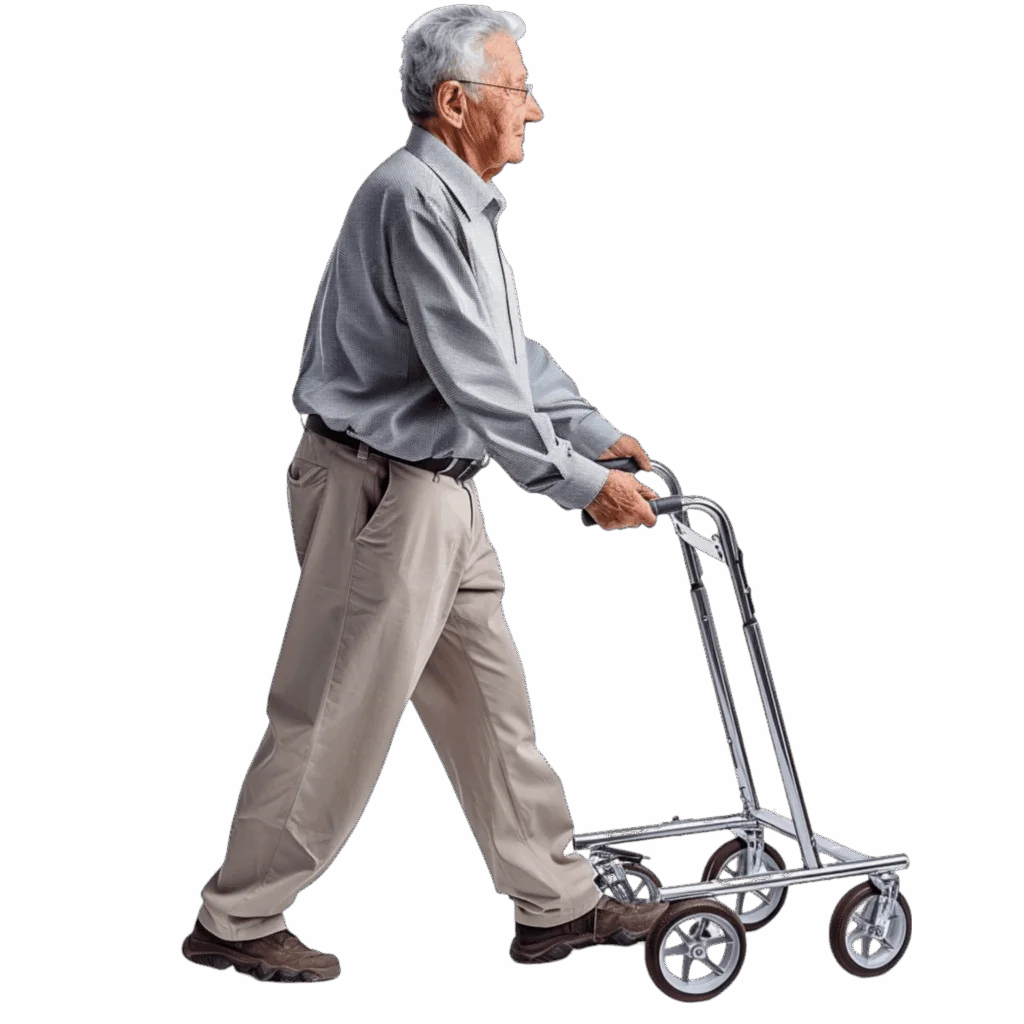
Emergency Preparedness for Walker Users: Top Medical Alert Devices & Smart Tech
Stay safe and independent with cutting-edge alert systems, GPS trackers, and wearable tech designed specifically for walker users.

Syed Ali
Key Summary
Users of walkers, especially the elderly and those with limited mobility, are more vulnerable in emergencies. Smart safety technology and medical alert systems provide peace of mind by making it possible to get assistance quickly, whether indoors or out. Learn the importance of these systems, examine the top wearable options, choose the best one, and get more emergency advice in this in-depth guide. This blog serves as a guide to safer, more self-assured mobility for both users and caregivers.
For seniors using walkers, even a small fall can turn into a serious emergency, especially when alone. Every year, millions of older adults experience falls, and often, walkers are part of the story due to balance issues or tricky surroundings.
That’s where medical alert systems come in. With just the push of a button worn around the neck or wrist, help is on the way. No need to reach for a phone or call out for someone. This quick action can be life-saving during strokes, heart issues, or unexpected tumbles.
Today’s systems are smarter, too. Features like GPS, fall detection, and instant caregiver alerts mean you’re covered whether you’re at home or out on a walk. If you use a heavy-duty walker or rollator, this extra layer of safety is more than peace of mind; it’s essential.
Best Wearable Devices for Walker Users
These days, medical alert devices are not large, hospital-style devices. Contemporary options are stylish, wearable, and feature-rich, making them ideal for people who use walkers. Emergency situations present special difficulties for elderly people and those who use walkers. According to recent data, nearly 3.5 million older adults in the United States needed ER treatment for fall-related injuries in 2023, and 41,400 of them died as a result of avoidable falls.
Here’s a breakdown of the most popular wearable types:
1. Smartwatches
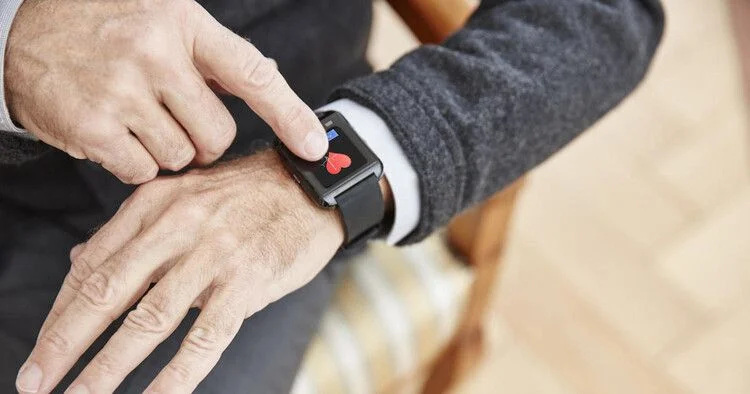
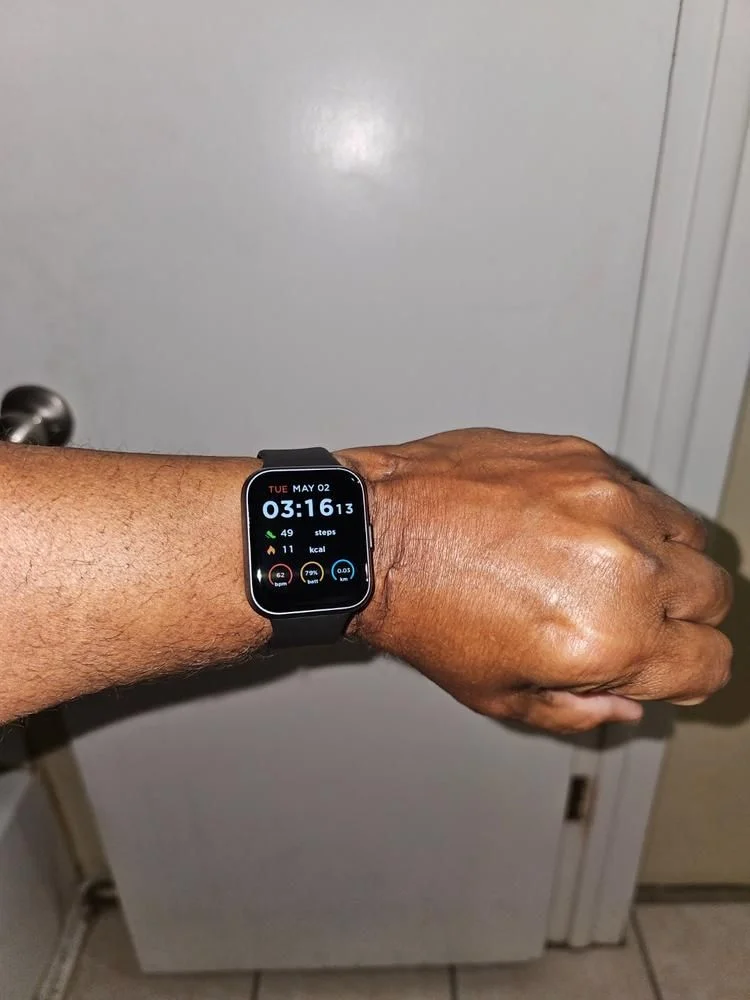
Health tracking, fall detection, and emergency SOS functions are available on smartwatches such as the Samsung Galaxy Watch and Apple Watch Series 9. Seniors who are tech-savvy or who already own smartphones will love these.
- Advantages: Stylish, multipurpose, with health monitoring and GPS
- Cons: Needs charging, and some seniors may find it complicated.
According to recent research, smartwatch-based fall detection systems are accurate; in lab tests, some of these systems have a sensitivity of over 96%.
2. Medical Alert Pendants
Classic yet powerful, pendants such as those from Medical Guardian or LifeFone offer a simple press-and-call system, and many models now include automatic fall detection.
- Pros: Easy to use, discreet, long battery life
- Cons: Less tech-savvy features, may require a base station
Wearable sensors embedded in pendants have demonstrated up to 94% real-world fall recognition accuracy under clinical settings, though false alerts remain a challenge
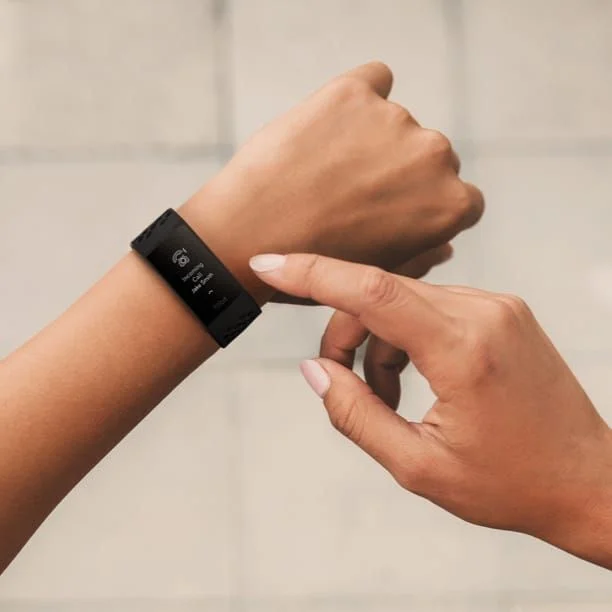
3. Wristband or Clip-On Devices
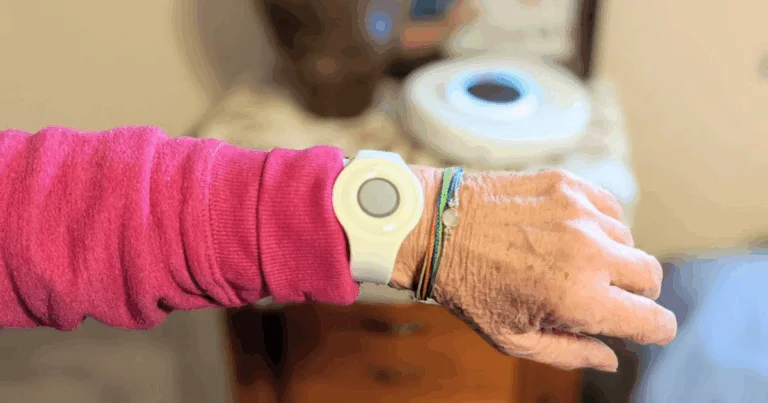
Devices that clip onto belts or walkers, such as the Bay Alarm Medical In-Home System, are small and easy to use. People with cognitive impairments also like wearing wristbands.
- Advantages: Non-intrusive and frequently waterproof
- Cons: Few intelligent features
GPS-enabled mobile medical alert systems improve assistance response by allowing emergency personnel and caregivers to locate a user even when they are outside.
Many of these systems integrate seamlessly with daily walker use. For individuals relying on rollators for balance, like those featured in our post on Best Rollator for Balance Problems, lightweight and wrist-based devices can ensure the alert button is always accessible without interfering with mobility aid usage.
How to Choose a Medical Alert System for Your Lifestyle
Selecting the right alert system depends on your mobility patterns, tech preferences, and emergency risk factors. Consider the following when choosing:
1. Indoor vs. Outdoor Use
- If you’re mostly at home, a landline-connected system with a wall button (like Philips Lifeline) may suffice.
- For active seniors who use walkers outside, GPS-enabled smart systems (like MobileHelp) are ideal.
2. Device Comfort and Accessibility
- For those using upright walkers with limited hand freedom, wearable devices should be light and wrist-mounted or voice-activated.
- See our guide on 5 Best Upright Walkers for Seniors for options compatible with alert devices.
3. Monitoring & Subscription Fees
- Some systems charge monthly; others are one-time purchases.
- Look for 24/7 monitoring and features like two-way voice, caregiver apps, and automatic alerts.
4. Compatibility with Medical Needs
- If you’re a fall risk or have a chronic condition, ensure the system offers fall detection, heart rate monitoring, or medication reminders.
This is particularly important when selecting a walker, as explained in How Caregivers Can Assist Seniors in Choosing and Using Walkers. A smart medical device can enhance both the walker’s and the user’s effectiveness during daily mobility.
Tips on Emergency Preparedness
Preparation goes beyond smart devices and includes consistent safety planning and lifestyle adjustments. Important advice for walker users and caregivers is as follows:
- Install grab bars in restrooms and stairwells to reduce the chance of falls.
- Keep essentials like water, a phone charger, and a flashlight in the walker baskets.
- Enroll in a local emergency alert program, like FEMA’s Integrated Public Alert & Warning System.
- Practice “emergency drills” to make sure users are aware of what to do in case of an incident or fall.
- Update the emergency contact details on all smart devices and walkers.
- Keep the medical ID tag on the walker laminated.
- Know how to switch to lighter walkers or quad canes if evacuation is needed, as described in Types of Medical Walkers and Rollators
For those who rely on walkers covered through Medicare, understanding the insurance coverage can also help in selecting appropriate emergency equipment. See: Does Medicare Pay for Walkers for Seniors?
At-a-Glance Comparison of Top Medical Alert Devices
Frequently Asked Questions
Do medical alert devices work outdoors?
Yes, many modern devices like MobileHelp and Apple Watch Series 9 have built-in GPS and cellular functionality, allowing them to work anywhere with coverage.
Can walkers carry emergency devices?
Yes, many walkers, especially rollators with baskets or pouches, can carry clip-on or pendant-style alert devices.
What if a senior forgets to wear their alert device?
Some systems offer auto-activation features or can be worn 24/7, including during showers. Others allow caregivers to receive inactivity alerts.
Are fall detection devices accurate?
While not perfect, fall detection has improved with AI-powered sensors and can detect most sudden movements. Look for models with high user ratings and FDA clearance.
How do caregivers monitor walker users remotely?
Many systems offer caregiver apps, allowing real-time tracking, emergency alerts, and health data sharing, especially valuable for long-distance families.

Final Thoughts
Being empowered is another facet of emergency preparedness, in addition to being equipped. For walkers, especially older adults with strength or balance problems, medical alert systems are a lifeline that can mean the difference between safety and disaster. With options to fit every lifestyle, whether you’re at home or taking a walk in the park, there’s no reason to go unprotected.
As your mobility changes, so should your support systems. Combining modern smart technology with your walker and following common sense safety precautions can help you or your loved one regain confidence, reduce anxiety, and move through life more freely. Are you ready to always feel safer? Choose the best system for your needs and start preparing now.

References
- Real-World Accuracy and Use of a Wearable Fall Detection Device by Older Adults. https://pmc.ncbi.nlm.nih.gov/articles/PMC4662041/
- Preliminary Examination of the Accuracy of a Fall Detection Device Embedded into Hearing Instruments. https://www.thieme-connect.com/products/ejournals/pdf/10.3766/jaaa.19056.pdf
- GPS Technology in Medical Alert Devices. https://www.alert-1.com/content/gps-medical-alert-systems/1346
- Apple. Fall Detection on Apple Watch. https://support.apple.com/en-us/HT208944
- Older Adult Falls. https://injuryfacts.nsc.org/home-and-community/safety-topics/older-adult-falls/