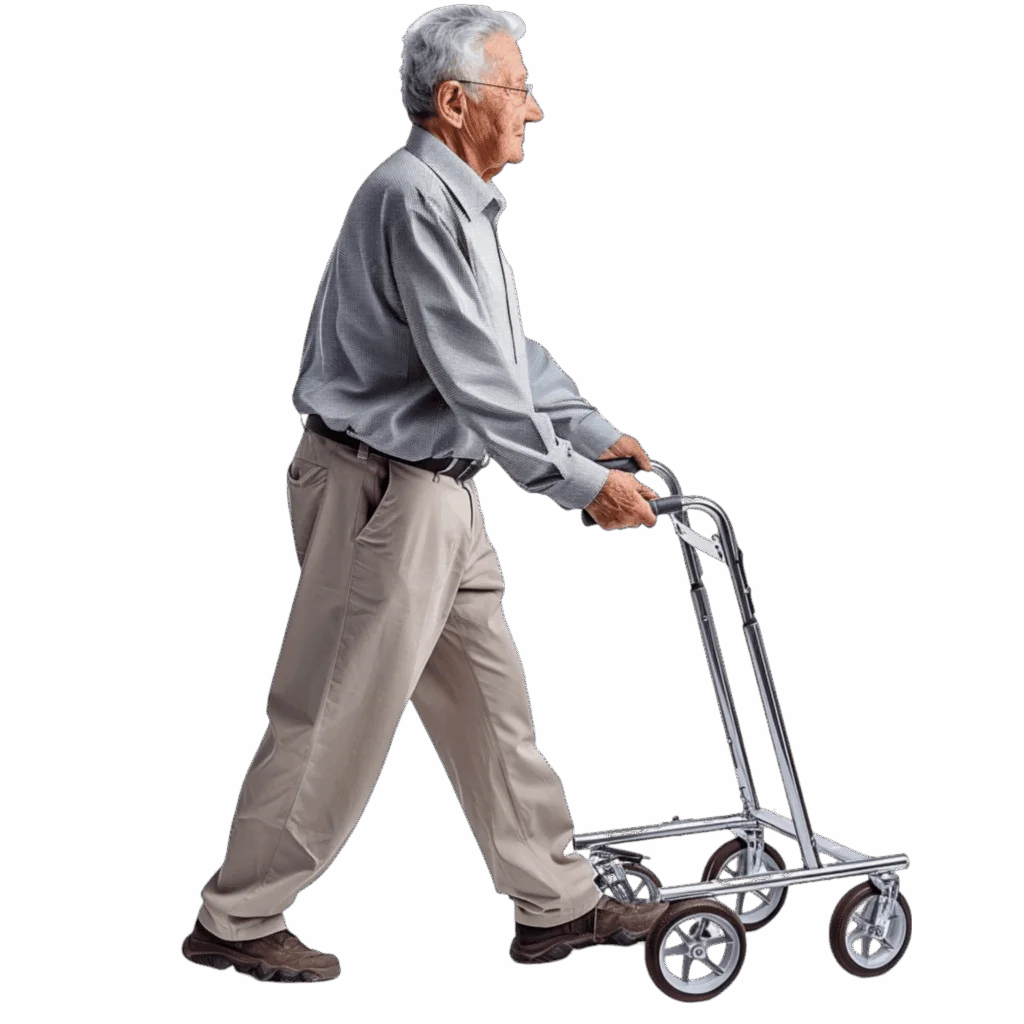
Stop the Struggle: The Ultimate Easy Guide to Fitting a Walker for Seniors Safely
Struggling to find the right walker fit? Discover this easy step-by-step guide for seniors on choosing, adjusting, and maintaining walkers for maximum comfort and safety.

Robin Dolan
Key Summary
A well-fitted walker gives seniors the perfect balance of comfort, stability, and support, helping to lower the risk of falls. Selecting the right walker type, whether a standard walker, two-wheel model, or rollator, ensures daily movement is safe, comfortable, and energy-efficient. With proper fitting and regular maintenance, walkers enable seniors to stay mobile, active, and independent, enhancing both confidence and quality of life.
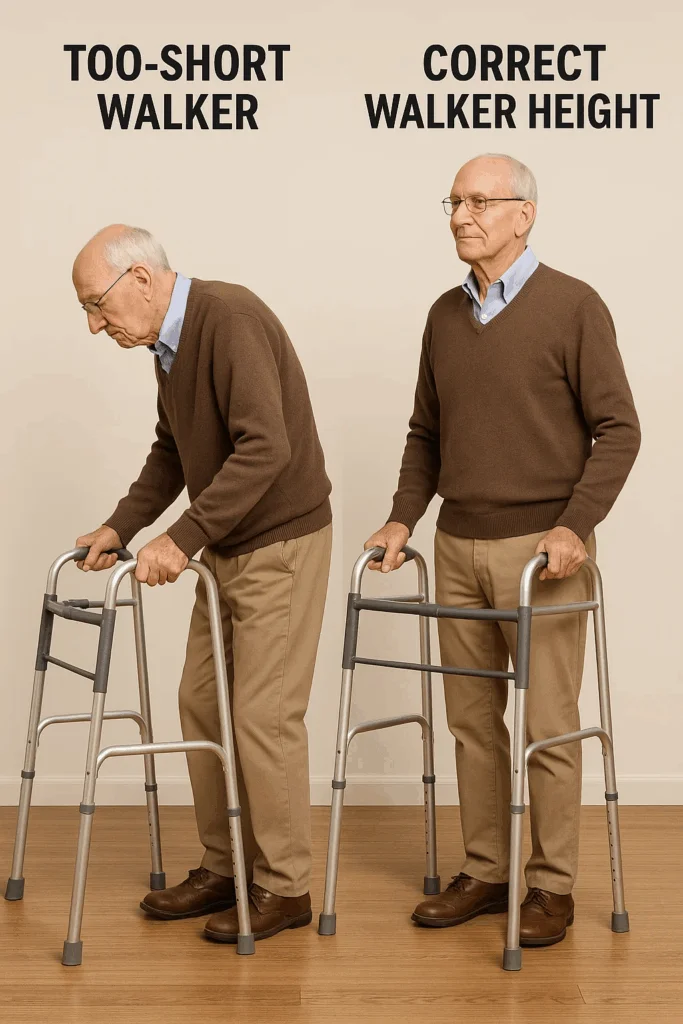
For many older adults, a walker is more than a mobility device, it is a lifeline for independence. Unfortunately, many caregivers overlook the critical factor of fit. Walkers that are too short force seniors to hunch forward, causing back strain and fatigue, while those set too high make seniors overreach, leaving them unstable and insecure with every step. The Walker Advisor emphasizes that a properly fitted walker aligns with a senior’s body, supports natural posture, and distributes weight evenly, ensuring every step is safe and controlled.
The Importance of Walker Fit
In the world of mobility aids, there is no “one size fits all.” Seniors vary greatly in height, strength, and stability, making proper walker fitting crucial for safety and comfort. The Centers for Disease Control and Prevention (CDC) reports millions of emergency visits each year from falls among older adults, and improper adjustment of walkers is a key contributing factor. A walker that doesn’t fit well can create instability, strain muscles, and reduce confidence in mobility.
Proper fitting also directly affects posture alignment. Seniors using a well-fitted walker can maintain an upright stance, distribute weight evenly, and walk without adding stress to the spine or shoulders. For seniors with chronic conditions like arthritis, osteoporosis, or post-surgery recovery, these adjustments are not just helpful, they are essential for safe walking.
Confidence is another important factor. Seniors who feel secure using their walker are more likely to engage in daily activities, attend social events, and maintain independence. Conversely, poorly fitted walkers can discourage consistent use, limiting mobility and reducing quality of life.
Types of Walkers for Seniors
Choosing the right walker is critical before focusing on fit. Each type serves different needs and mobility levels:
Standard Walker
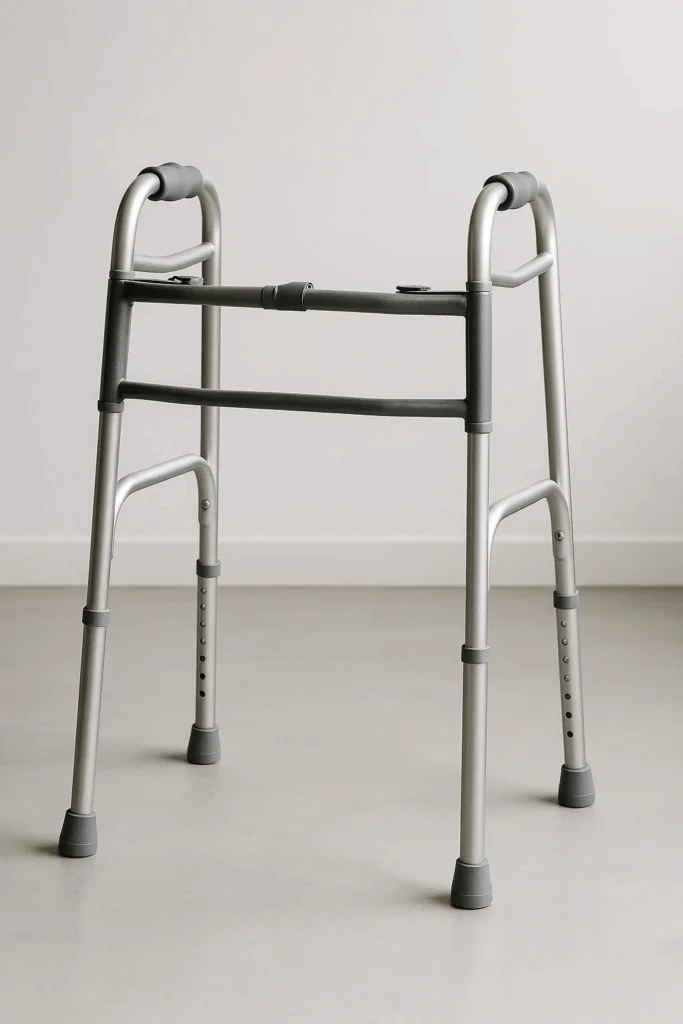
Features four legs with rubber tips. It must be lifted slightly to move, providing maximum stability for seniors who move slowly or require strong balance support. Often recommended post-surgery when weight-bearing is limited.
Two-Wheel Walker
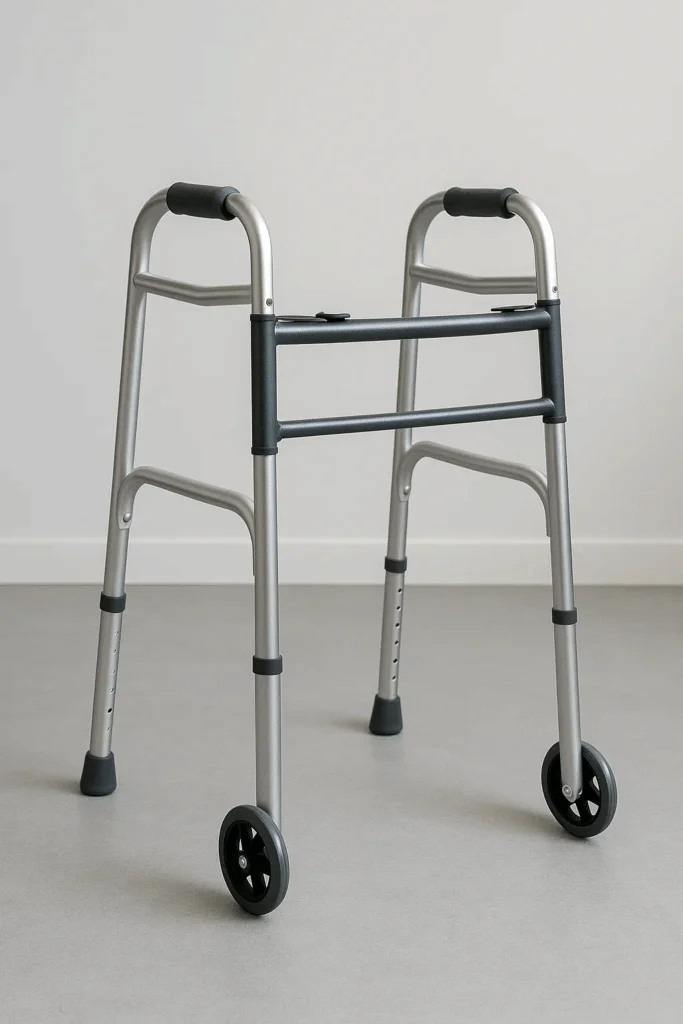
Combines two front wheels with rubber tips at the back. It allows smoother forward motion without lifting, making it ideal for moderate mobility challenges.
Rollator (Four-Wheel Walker)
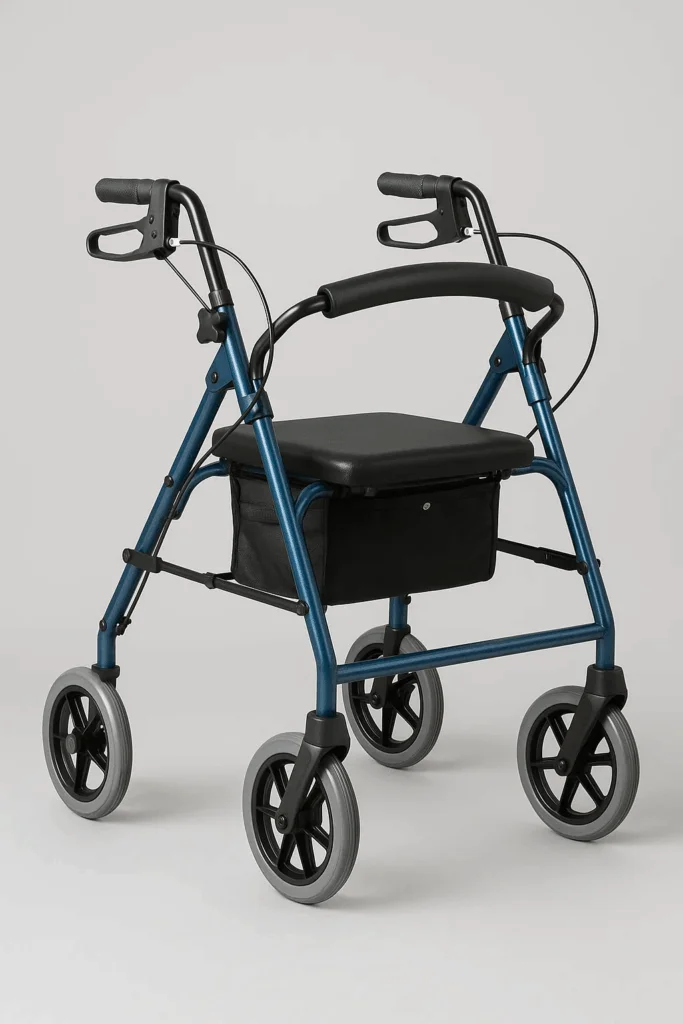
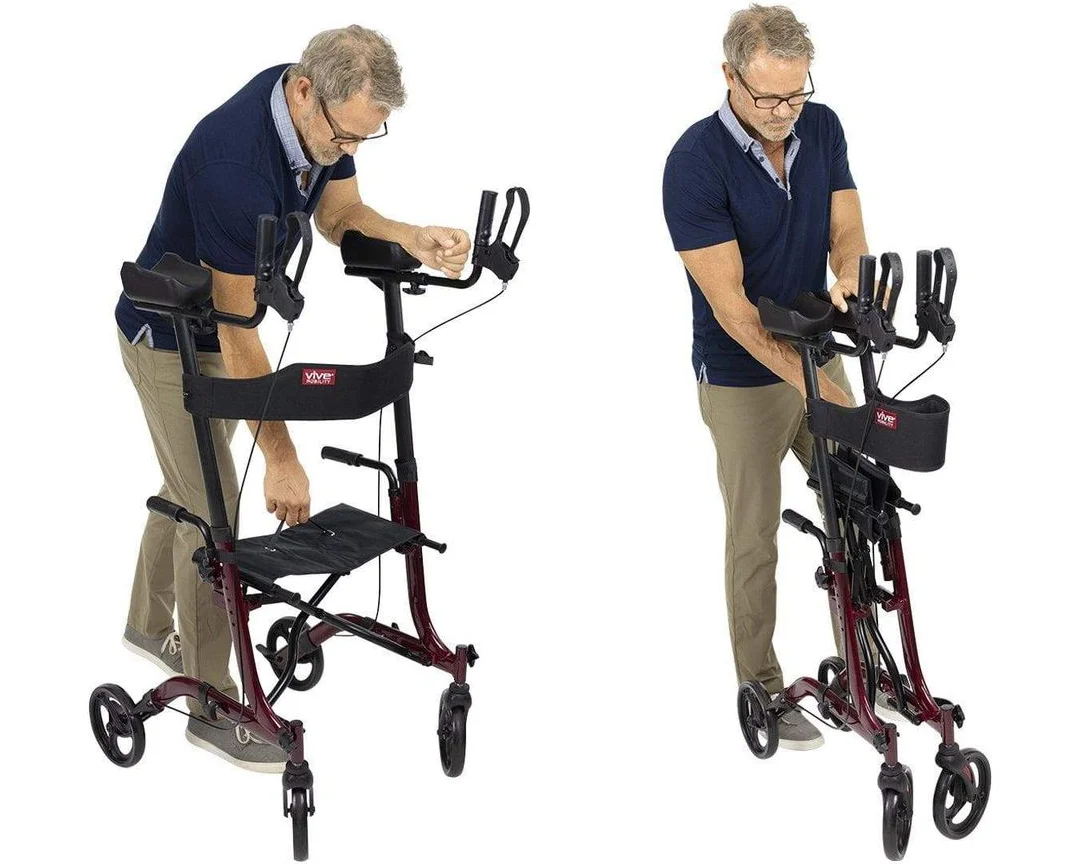
Includes four wheels, brakes, and often a built-in seat. Best for active seniors who want to walk longer distances with rest options. What options should I consider when buying a 4-wheel walker with seats?
Heavy-Duty / Bariatric Walker
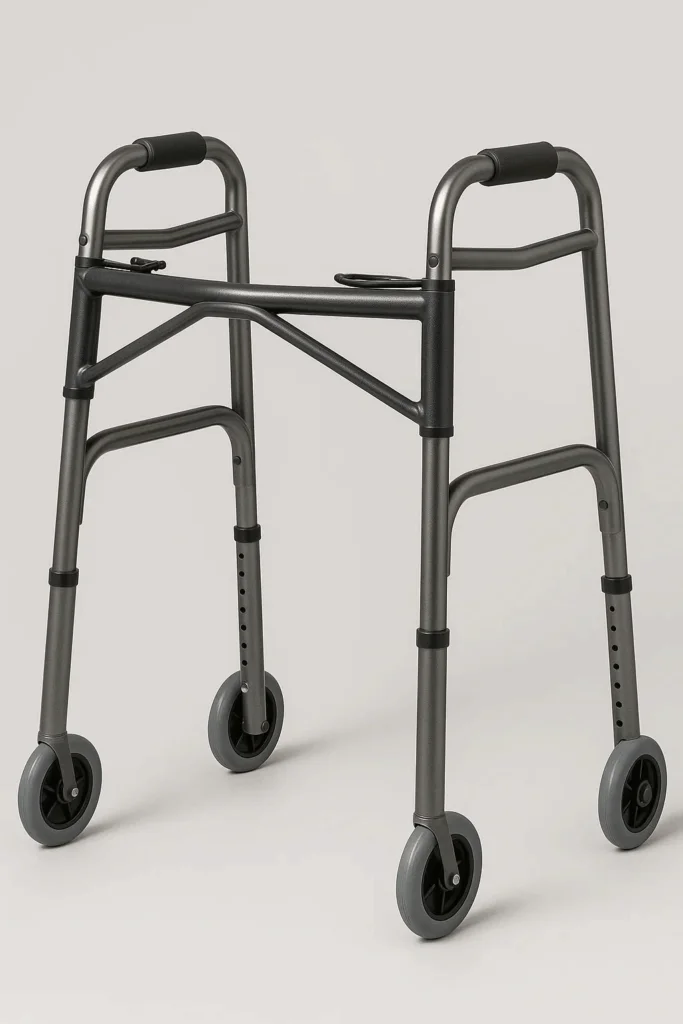
Designed for higher weight capacity, reinforced frames, and wider designs to enhance safety and comfort.
Lightweight Folding Walker
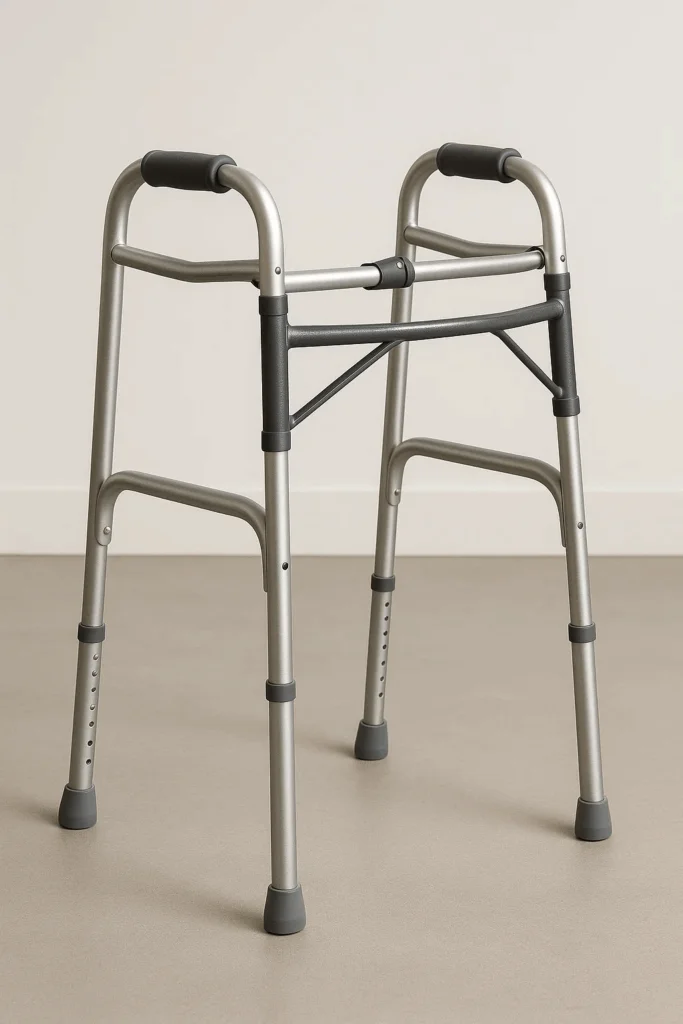
Portable and easy to store, perfect for seniors who travel or frequently move indoors and outdoors. What are the benefits of using a lightweight folding walker for seniors?
The WalkerAdvisor highlights that selecting the right walker type is just as important as fitting it correctly. Families should also consider reputable brands and read expert comparisons, such as Winlove vs Drive Medical: Comparing Features, Price & Durability.
Step-by-Step Guide to Fitting a Walker
Proper fitting ensures safety, comfort, and confidence. Follow these steps:
Wear Everyday Shoes
Adjust walkers while seniors are in their usual footwear to ensure correct height.
Stand Naturally
Have the senior stand inside the walker with shoulders relaxed and arms resting naturally at their sides.
Set Handle Height
Handles should align with the wrist crease, allowing elbows to bend 15-20 degrees. This ensures comfort and reduces strain.
Check Posture
Ask the senior to take a few steps. They should remain upright without leaning or overreaching.
Test Walker Movement
Standard walkers should lift easily; wheeled models should glide smoothly without resistance.
Check Brakes (Rollators)
Ensure brakes lock firmly, and the seat is stable for safe resting.
Reevaluate Comfort
Ask for feedback. Any stiffness or discomfort indicates a need for readjustment.
Seniors with balance issues can also explore Best Walkers for Seniors with Balance Problems for models optimized for stability.
Common Mistakes to Avoid
Even minor fitting errors can create hazards:
By avoiding these mistakes, seniors can confidently use their walkers every day.
Maintenance Tips for Walkers
Maintenance extends usability and ensures safety:
- Check Rubber Tips & Wheels: Replace worn tips; ensure wheels rotate smoothly.
- Test Brakes Regularly: Weak or sticking brakes must be repaired immediately.
- Tighten Screws & Joints: Loose parts cause instability.
- Clean Regularly: Dirt can block wheels; wipe with mild soap and water.
- Replace Worn Parts: Grips, wheels, or brakes should be replaced promptly.
- Store Safely: Keep indoors, dry, and away from moisture to prevent rust.
The Walker Advisor recommends monthly inspections for optimal performance and safety.
Walker Types vs. Best Fit Scenarios
Frequently Asked Questions
How do I know if my walker is the right height?
Handles should align with your wrist crease when standing upright.
Can one walker fit everyone?
No; walkers must be customized to height, weight, and mobility needs.
How do you properly size an elderly walker?
Stand inside the walker with arms relaxed; grips should line up with the inside wrist crease.
How often should I check my walker’s fit?
Every 6-12 months, or sooner if posture or comfort changes.
Is a rollator better than a standard walker?
It depends on needs, rollators for mobility and rest, standard walkers for maximum stability.
Where can I purchase reliable walkers?
Visit Where to Buy Walkers for Seniors and consult The Walker Advisor for trusted options.

Final Thoughts
Walkers are more than mobility aids, they are confidence builders. Their effectiveness depends on correct fitting and consistent maintenance. A well-fitted walker feels like a natural extension of the body, making every step safer, smoother, and more comfortable. By choosing the right type, fitting it properly, avoiding common mistakes, and maintaining it regularly, seniors can enjoy the benefits of independence and stability.
For families seeking guidance, TheWalkerAdvisor provides expert advice and trusted reviews on the best walkers for seniors to ensure safety, comfort, and long-term usability.

Reference
- Centers for Disease Control and Prevention (CDC) – Falls Among Older Adults https://www.cdc.gov/falls/data-research/index.html
- National Institute on Aging – Falls and Fractures https://www.nia.nih.gov/health/falls-and-falls-prevention/falls-and-fractures-older-adults-causes-and-prevention
- Mayo Clinic – Mobility Aids: Tips for Choosing https://www.mayoclinic.org/healthy-lifestyle/healthy-aging/in-depth/walker/art-20546805
- American Academy of Orthopaedic Surgeons – How to Use a Walker Safely https://orthoinfo.aaos.org/en/recovery/how-to-use-crutches-canes-and-walkers/